Handle pagination in HTTP requests
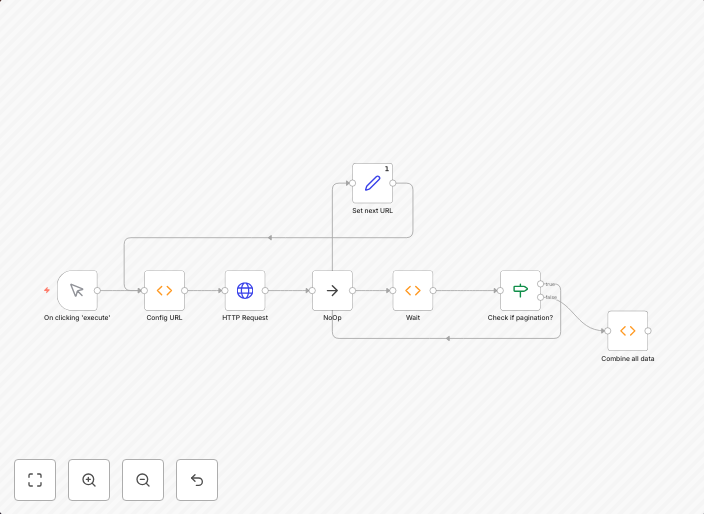
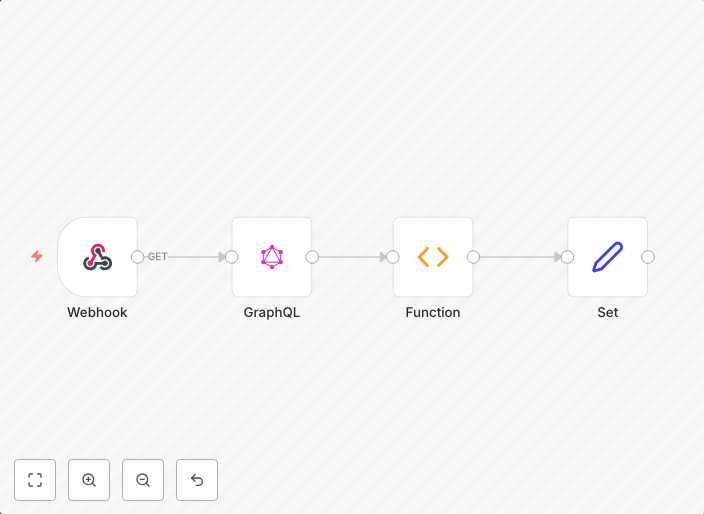
This example workflow demonstrates how to handle pagination. This example assumes that the API you are making the request to has pagination, and returns a...
Get This WorkflowAbout This Workflow
What This Workflow Does
This n8n automation workflow, created by Igor Fediczko, handles pagination in HTTP requests. It assumes that the API you are making the request to has pagination and returns a next page token or link. The workflow retrieves and processes subsequent pages of data, allowing you to fetch and process large datasets.
Who Should Use This
This workflow is ideal for developers who work with APIs that use pagination to limit the amount of data returned in a single request, or for those who need to fetch and process large datasets.
Key Features
- Retrieves and processes subsequent pages of data using the next page token or link
- Handles pagination in HTTP requests, allowing you to fetch and process large datasets
- Assumes the API returns a next page token or link, enabling automatic fetching of subsequent pages
- Can be used with various APIs that use pagination
How to Get Started
To use this workflow, import it into your n8n instance and connect it to your API endpoint. Customize the workflow by adjusting the parameters and authentication settings to match your specific API requirements.
Use This Workflow in n8n →Similar Workflows
Affiliate Disclosure: We may earn a commission if you sign up for n8n through our links. This doesn't affect our recommendations.